Today & Tomorrow
Committed to Labs
Blood safety is a moving target. The challenges blood banks face today are no longer limited to pathogen infection detection alone—they are shaped by workforce shortages, increasing global mobility, climate change, and the continuous emergence of new pathogens. In this dynamic environment, standing still is not an option.
Preparedness is no longer about reacting quickly; it is about anticipating what comes next. At Grifols, readiness is built into everything we do. From supporting laboratories in their day-to-day realities to investing in future-focused innovation, we work with you to help to ensure that blood safety keeps pace with a changing world.
Today's Realities: Complexity with Fewer Resources
Laboratories today are expected to do more with less. Staffing shortages, budget constraints, and increasing testing demands place significant pressure on operations. At the same time, expectations for speed, accuracy, and compliance continue to rise.
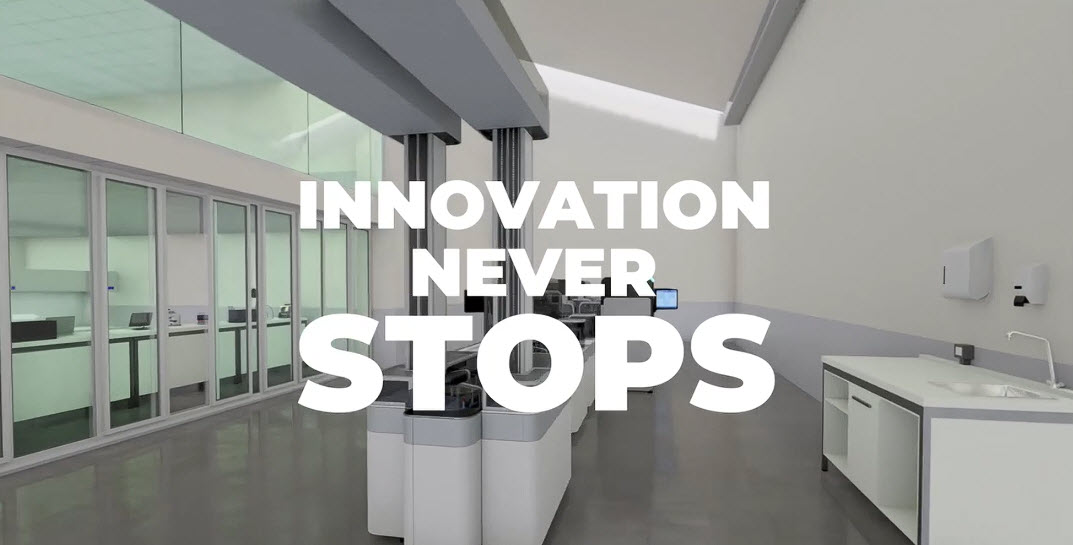
Grifols helps laboratories navigate this complexity through automation, integrated workflows, and scalable screening solutions. Our automation and track systems are designed to optimize efficiency, reduce manual intervention, and ensure consistency—even when specialist resources are limited. By streamlining processes and improving throughput, laboratories can maintain high safety standards while managing operational constraints.
This focus on operational resilience allows labs to stay responsive and reliable, ensuring that safety is never compromised, even in challenging conditions.
Tomorrow's Threats: Preparing for a Borderless Risk Landscape
While today’s challenges are demanding, tomorrow’s threats may be even more complex. Global travel, urbanization, and climate change are reshaping the epidemiological landscape. Vector-borne diseases are spreading into new regions, and pathogens that were once considered localized are becoming global concerns.
Mosquitoes, for example, do not recognize borders. As climate patterns shift, new risks emerge, often faster than traditional detection and response systems can adapt. Preparing for these realities requires long-term vision, scientific investment, and the ability to translate research into practical solutions.
Grifols is actively investing in a robust pipeline of technologies to address emerging threats. By monitoring global trends, collaborating with health authorities, and advancing assay development, we aim to ensure laboratories are prepared not just for known risks, but for those still on the horizon. Preparedness means acting before a threat becomes a crisis.
The Job is Not Done: A Continuous Commitment to Innovation
In blood safety, there is no finish line. Innovation must be continuous, adaptable, and purpose-driven. Each advancement opens the door to new possibilities—but also new responsibilities.
At Grifols, innovation is guided by a clear mission: protecting patients and donors everywhere. This means continuously refining existing solutions, exploring new scientific approaches, and supporting laboratories as they adopt and integrate new technologies. It also means learning from global experience and remaining vigilant as the risk landscape evolves.
Our commitment does not end with product development. It extends to long-term partnerships, shared knowledge, and a collective responsibility to strengthen the blood supply worldwide.
Looking Ahead: Ready for What Comes Next
The future of blood safety will be shaped by uncertainty—but also by preparedness. Laboratories that are equipped with the right solutions, supported by the right partners, can face emerging threats with confidence.
Grifols remains focused on readiness today and resilience for tomorrow. Because until every patient, everywhere, can trust their blood supply without question, the job is not done.
Watch the full video series to learn how our legacy continues: The Past, Present and Future of NAT