Automation vs. Tradition: A False Dichotomy
Control+ALT+ABO: Automating Transfusion with Heart
Automation isn't just about speed — it's about consistency, safety and efficient workflows. This series explores how automated systems reshape immunohematology while keeping quality at the core.
Myth: Automation removes the human touch and leads to diagnostic errors.
Consistent Results
A lingering belief in some transfusion labs is that automation means replacing human expertise – that a machine can’t spot what a seasoned tech can. This assumption misjudges what modern automation really does. It doesn’t replace judgment; it removes noise.
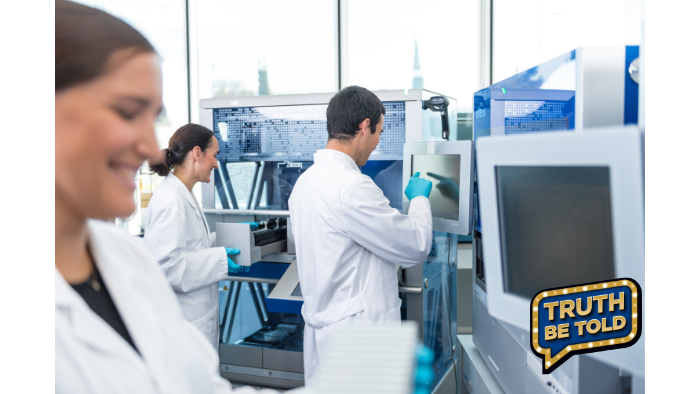
Immunohematology demands precision, yet traditional manual methods (tube testing, etc.) introduce variability. Interpretation can change with a different technologist, a different light, or simple fatigue. Automation platforms – for example, the Grifols Erytra – standardize the steps for potential error: pipetting, incubation time, centrifugation, reading. By doing so, they produce consistent, objective results and let true outliers stand out for review.
Resolve Discrepancies
Does that mean the expert’s eyes and brain disappear from the process? Far from it. Automation handles repeatable tasks so that specialists can focus on the exceptions. It’s akin to an experienced pilot using autopilot: not out of laziness, but to stay fresh for when complex decisions are needed. The time saved by automation is time reinvested into resolving discrepancies, performing complex antibody work-ups. This approach leaves time to mentor junior staff and consult with clinicians.
Amplify your Experise
Rather than threatening expertise, automation amplifies it. It creates bandwidth for the human brain to do what it does best – analyze the findings, recognize unique situations and having more time to provide compassionate care. Meanwhile, the machines tirelessly take care of routine tests with a level of reproducibility humans simply can’t achieve on every single assay.
Partners not Adversaries
In short, automation and skilled professionals are partners, not adversaries. Automated analyzers deliver standardized results and catch subtle reactions without bias or fatigue, while humans bring critical thinking and oversight. Embracing automation doesn’t mean losing the “human touch” – it means refocusing it where it truly counts.
Authored by Dr. Laziza Amniai